ARCHIVE:
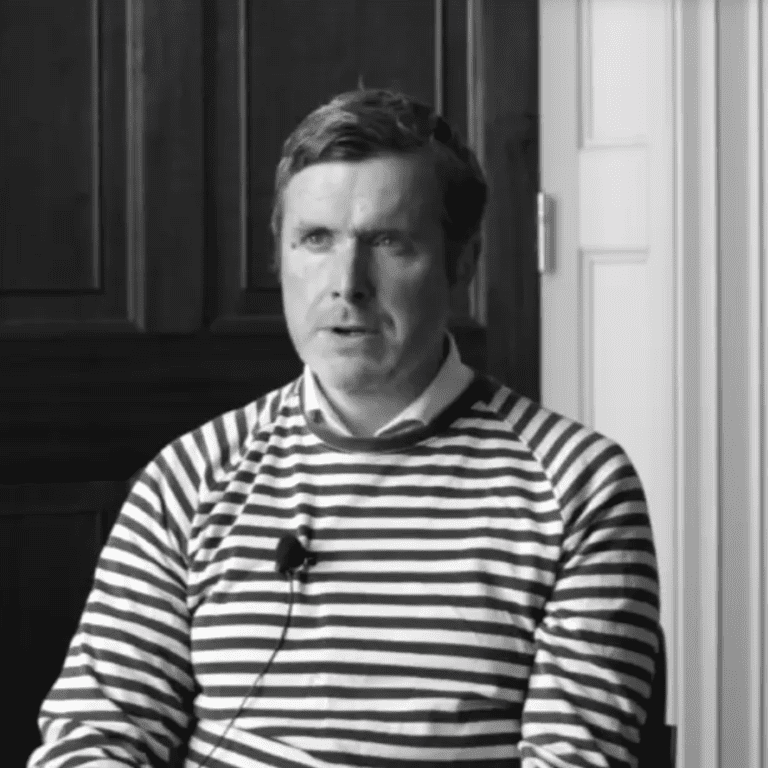
Helen McFadden

Helen McFadden works across architectural practice, research, and education, with a focus on natural, cultural, and legislative landscapes. She is currently undertaking a PhD at TU Dublin titled Muddy Waters: Building an Architectural ‘Parts-to-a-Whole’ Methodology for Re-thinking Construction at the Coast, Drawing on Natural, Cultural, and Legislative Contexts. The research is funded by Research Ireland and the National Parks and Wildlife Service.
Instagram: helen.mc.fadden
August has a different pace to it – it sits between holiday and routine. The crowds begin to thin, everyday life starts to reappear, but there is still enough of summer left to go a little further afield. It is a good time to visit places that usually blur past the car window. And perhaps that is useful for architecture.
Looking more closely, when ordinary landscapes come to the fore, we see places made through layers of connection. Buildings and environments begin to wrap around each other: a house makes sense because of the road that reaches it, fields beside it, and village or town nearby. A farm belongs to its soil, buildings, boundaries, labour, ecology, and uplands and lowlands. When we draw these connections, architecture and landscape become inseparable.
Many other disciplines are thinking about land, materials, memory, ecology and place. August seems like a good time to get out and listen to them – and to ask where architecture might meaningfully contribute to the conversation.
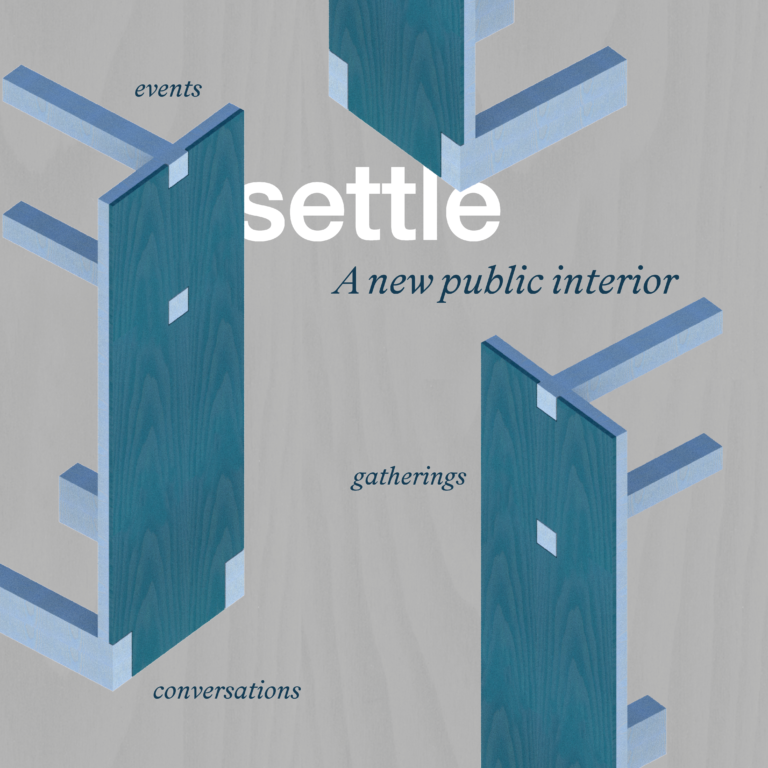
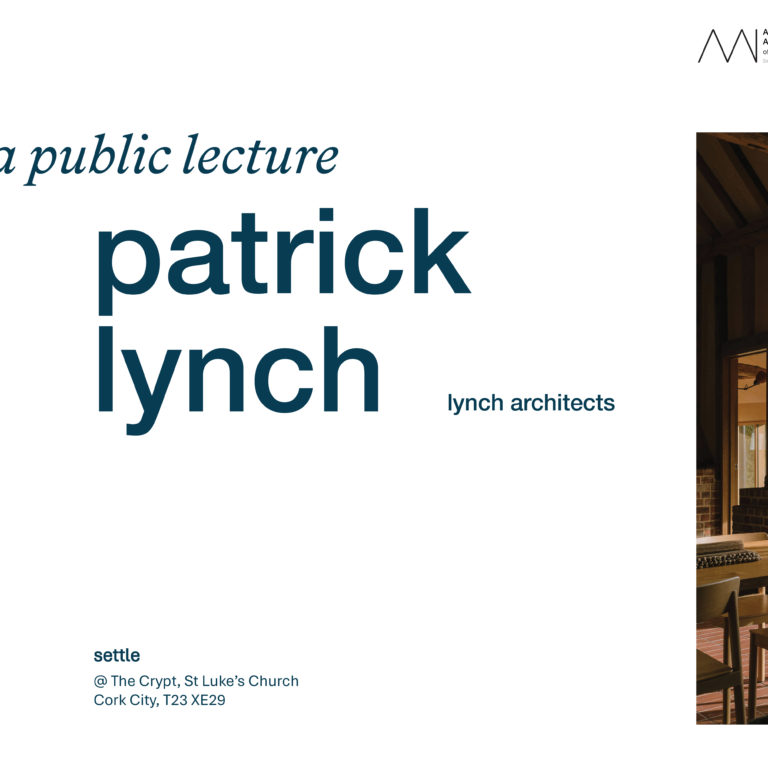
Settle, by Trestle Studio, is a good place to start. Running at St Luke’s Church in Cork from 29 July to 8 August, it is a temporary public interior designed to be reformatted for a shared reading, talk on rewilding, workshop, and public lecture. It is architecture as a framework for cross-disciplinary knowledge to gather around.
National Heritage Week runs from 15–23 August and considers nature and culture together – asking what is at risk and how to respond with careful and creative practices. Two events are particularly relevant to architecture’s relationship with place:
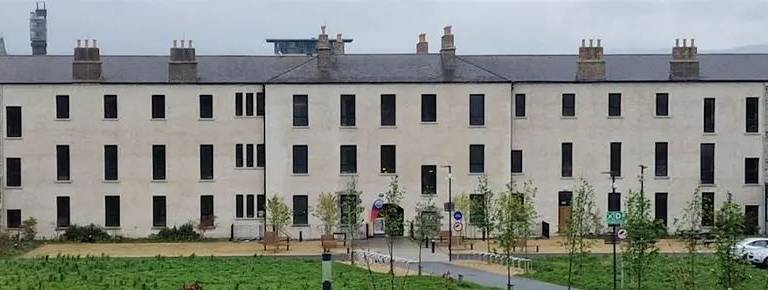
In the East, how architecture carries social history comes into focus in Plumblines Through Time: Grangegorman’s Institutional Buildings, on 19 and 22 August. Colm Murray will explore what happens to historic buildings when they outlive the ideas that produced them.
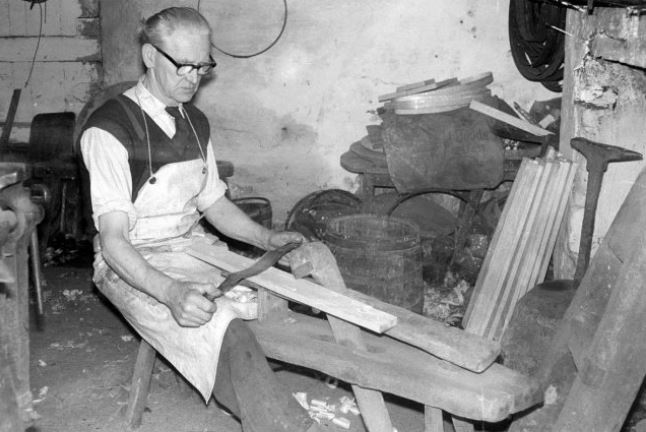
In the West, on 23 August, in the National Museum of Ireland at Turlough in Mayo, Lámha Ciúine: Ireland’s Quiet Loss of Traditional Skills by Folklife curator Tiernan Gaffney will explore the preservation of crafts that once shaped everyday life – as when that knowledge disappears, so does a way of working with the material world.
From there, the conversation moves closer to the ground. Time to put on the wellies…
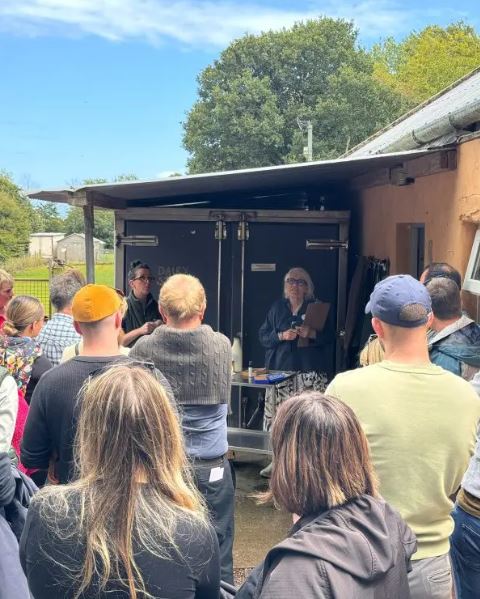
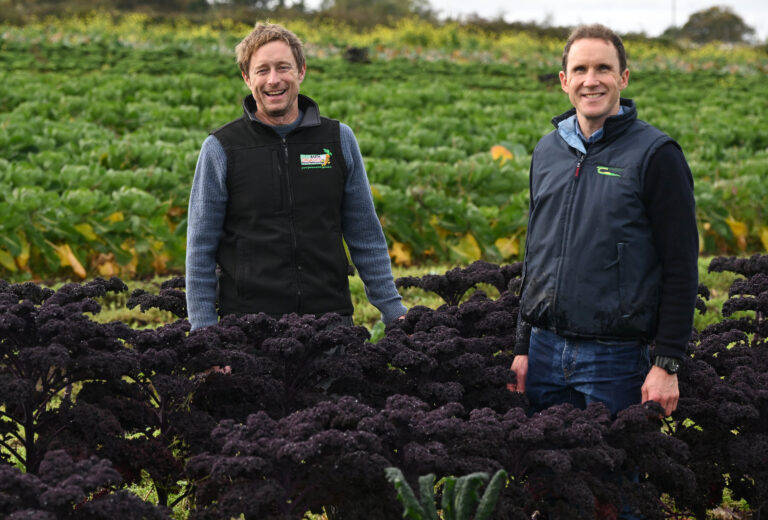
On 25 August, a TEAGSC farm walk, Field Scale Vegetables, takes us to Green Earth Organics in Galway, which has been growing organically for twenty years and is vocal about pressures facing small growers in producing food while negotiating economics, politics and policies.
And on 30 August, Farming for Nature’s Inside the Gate invites people onto 19 farms around Ireland to meet farmers, see the land they work, and understand the relationship between food production and biodiversity. It is a chance to see rural landscapes as living systems.
If architecture is serious about place, it must look beyond buildings to the cultural and natural landscapes that hold them.