Every month, architects and design experts share their recommendations for the latest exhibitions and events from across the country.
THIS MONTH:
REIR Studio
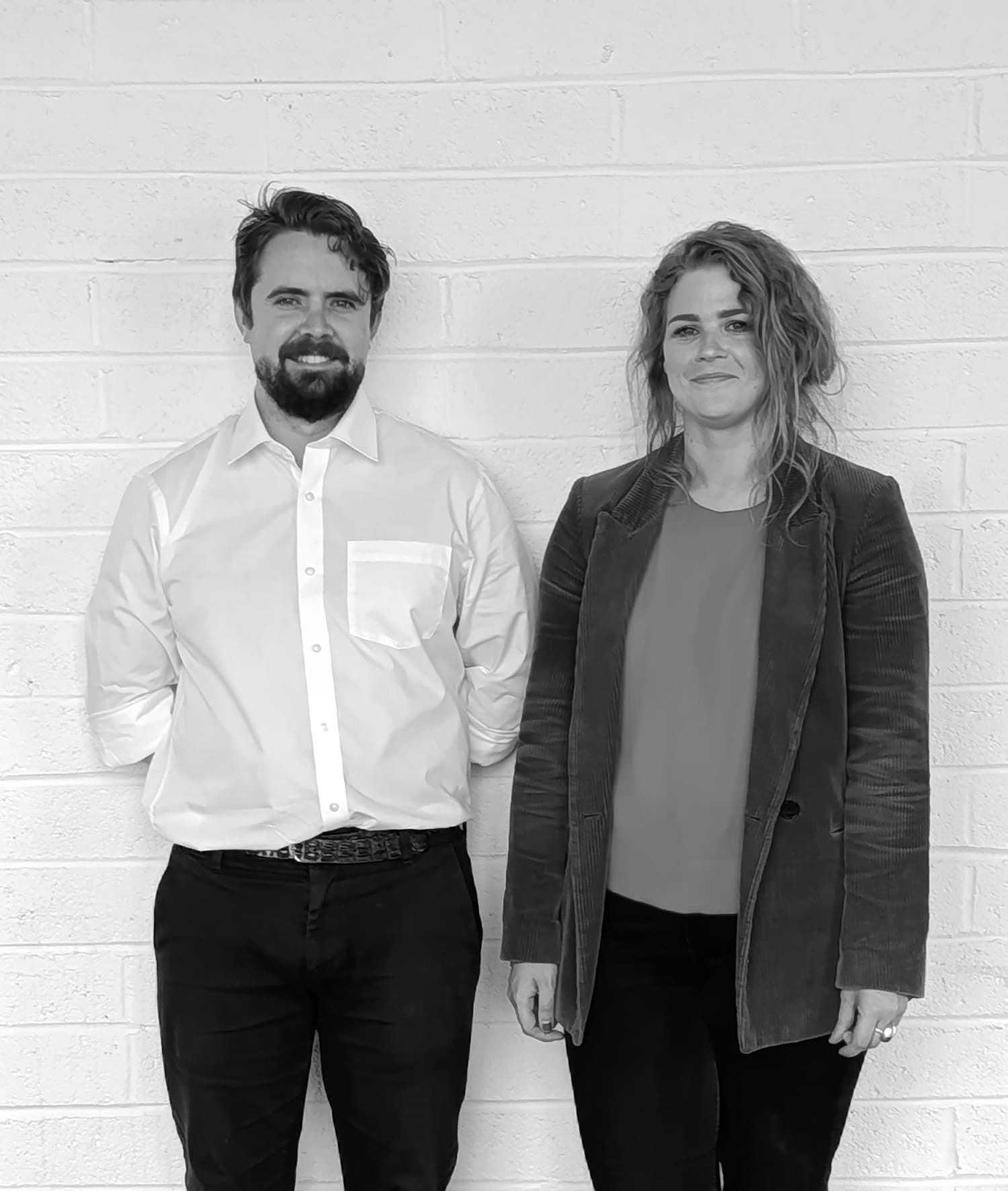
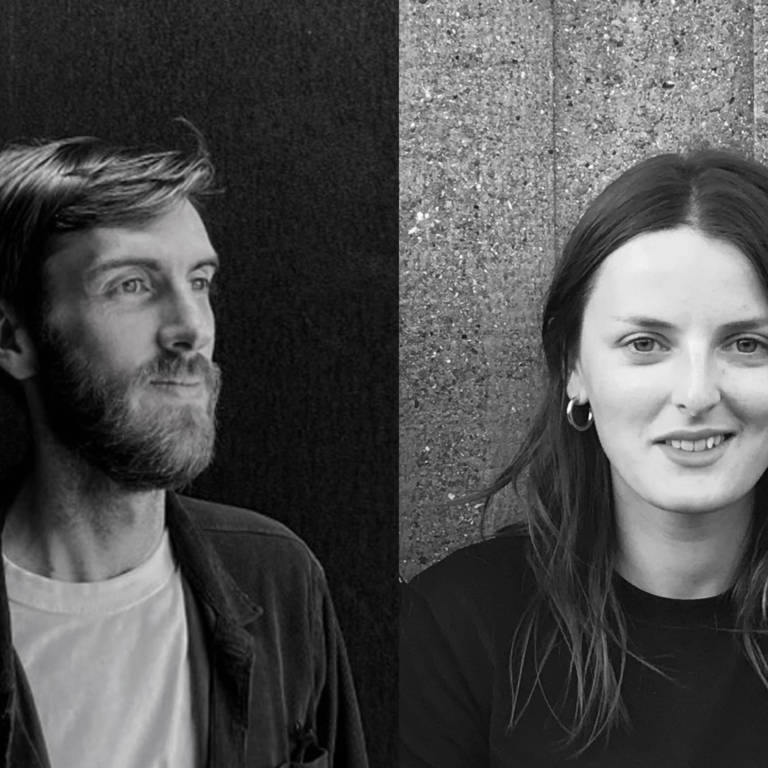
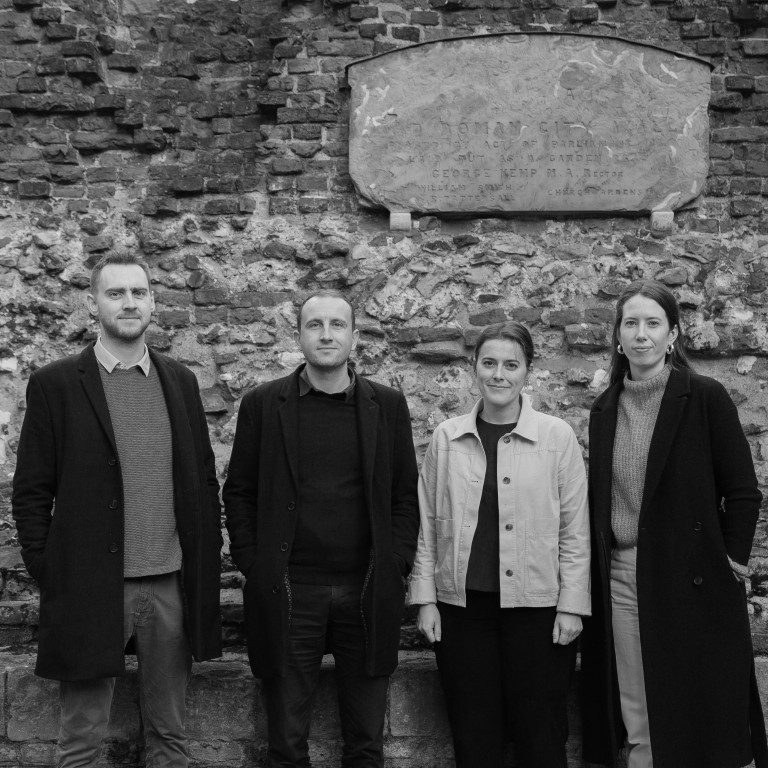
Mandy Channon and Colin Mac Suibhne are directors of REIR Studio, which they established in 2020. Since then they have been working on a variety of domestic, cultural and educational projects across Ireland. The practice is interested in making careful, considered interventions in our existing buildings which are sensitive to their site and give value to the people using them. In parallel to this Mandy and Colin have taught at every level of architectural education in SABE, TUDublin.
Instagram: @reir_arc
October can feel like one of those in-between months; a time for both calm and focus, caught between the promise of the new academic year in September and the exciting buildup to the holiday season with the end of the calendar year. Even though this year’s September schedule was particularly packed, with the success of both Architecture at the Edge and Culture Night, October still has a lot to offer.
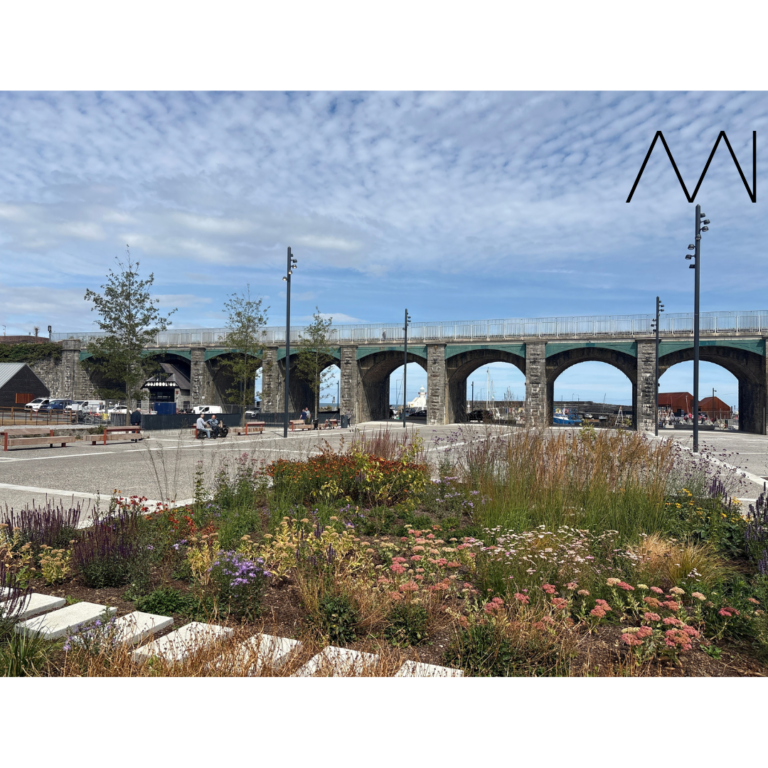
At the top of the month, we have a site visit organised by the AAI to the recently completed redevelopment of Quay Street & Environs, Balbriggan by Paul Keogh Architects. The project is a fantastic piece of urban realm-making. It creates a new event and market space around the railway viaduct arches, returning the river and its surroundings as a valuable public amenity. The tour will take place at 11am on Saturday October 3rd.
If you missed your chance to visit the CCAE MArch Graduate Exhibition on Culture Night in Cork, you can still visit the show by appointment until October 16th. It is being held at the Nano Nagle Complex on Douglas Street, Cork and celebrates their 20 year anniversary.
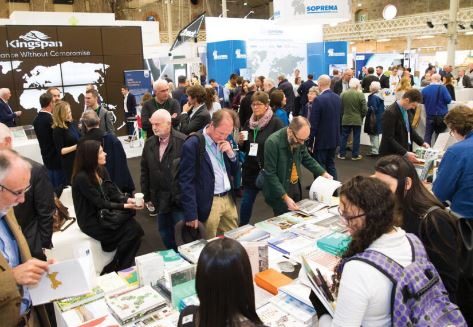
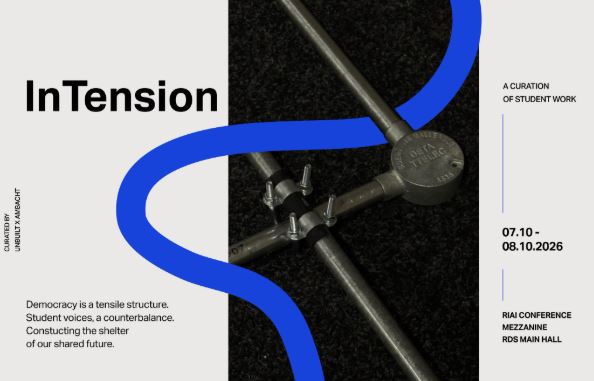
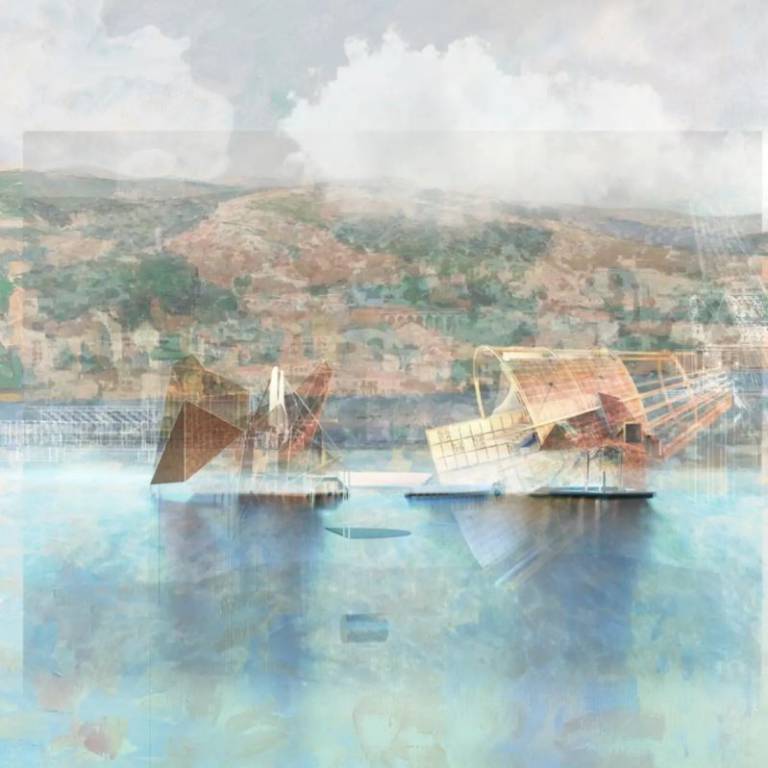
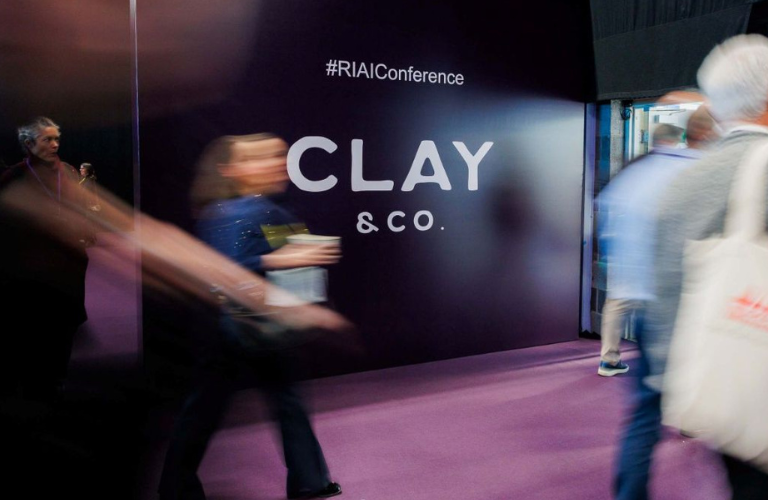
This year’s RIAI Conference has adopted the theme “Architecture for the Common Good”. The conference will bring together a wealth of speakers exploring architects’ impact and influence on the delivery of high quality design for all. We would like to highlight the InTension exhibition, which is held as part of the Architecture & Building Expo in parallel with the conference. This exhibition is a collection of work from the six schools of architecture, framed and curated by our friends and colleagues at Ambacht and Unbuilt. Both the conference and expo will be held at the RDS on October 7th and 8th.
Open House Dublin is always an annual highlight for anyone with an interest in architecture and the built environment. If you were not one of the lucky few to snap up tickets for the wide variety of tours, there is a wealth of drop-in and online events to avail of. A favourite of ours are the open studio events, which provide a chance to see under the hoods of our architectural colleagues. Be sure to grab the last few tickets while they are available. Open House Dublin events take place across the city and online from Monday the 12th to Sunday the 18th of October.
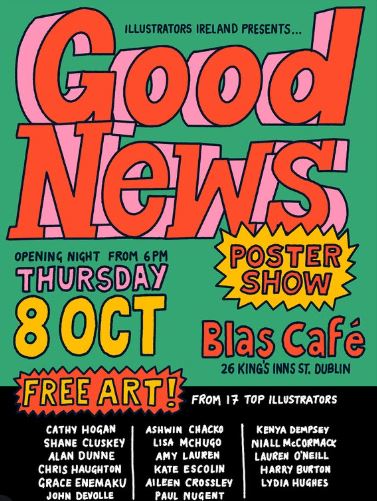
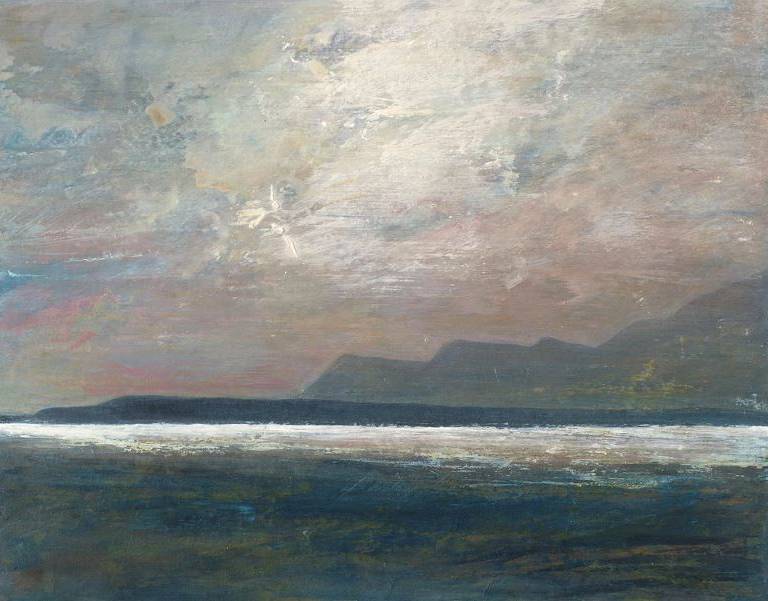
Writing from our studio in the Chocolate Factory, we have the privilege of sharing a space with so many artists and creators from a wide range of artistic fields. We would like to highlight two exhibitions organised by our studio neighbours. Firstly, landscape artist Conor Gallagher has prepared a show around his new works – a beautiful series of paintings exploring the landscape of Achill and Mweenish Island. The exhibition opens on Thursday the 1st of October and will run until October 15th in the Doorway Gallery, Wicklow Street, Dublin. Following that on October 8th, John Devolle will be joined by 16 other illustrators in Blas Café for an exhibition of their poster work. John regularly visits our students in TUDublin to discuss his work, acting as a motivator for their end of year show preparations.
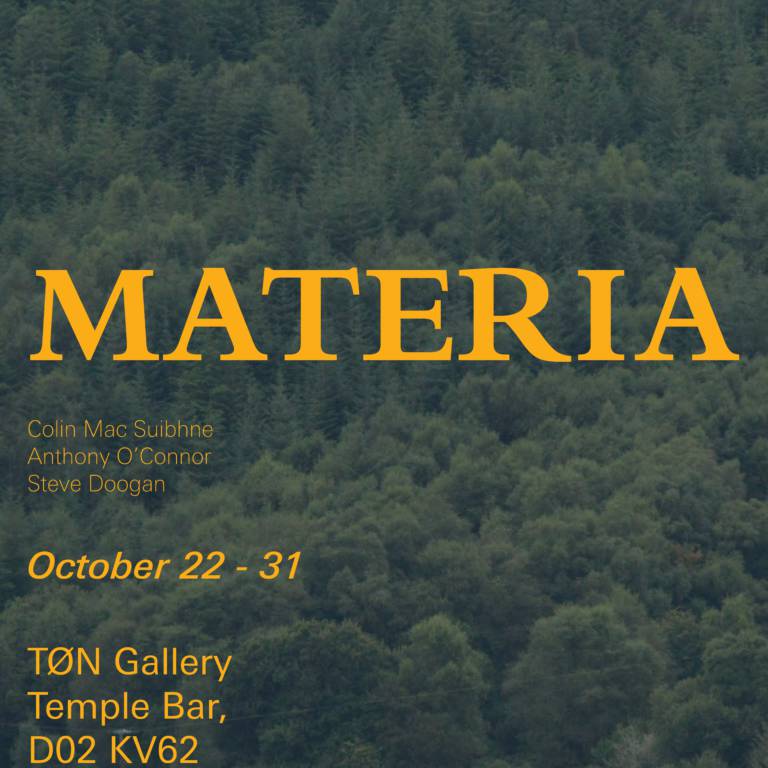
Finally, we are delighted to invite you to Materia an exhibition that Colin has been working on alongside filmmaker Anthony O’Connor and illustrator Steve Doogan, as part of his 2026 Arts Council Project Award. Materia is a collection of artistic reactions to the Irish attitude to forestry, both as an ecology and material resource. Materia takes The Gearagh as a site of study, Ireland’s last primeval forest, flooded in 1954 during the construction of Carrigadrohid and Inniscarra Hydro-Electric Dams. The exhibition launches on Thursday October 22nd in the Ton Gallery, Temple Bar and will run until Saturday October 30th – just in time for some Halloween celebrations.